Bring Brightline to Gainesville.
High-speed rail from Orlando to Gainesville in about an hour. No traffic. No toll roads. No white-knuckle merging on I-75. Just 115 miles of track through the heart of Florida.
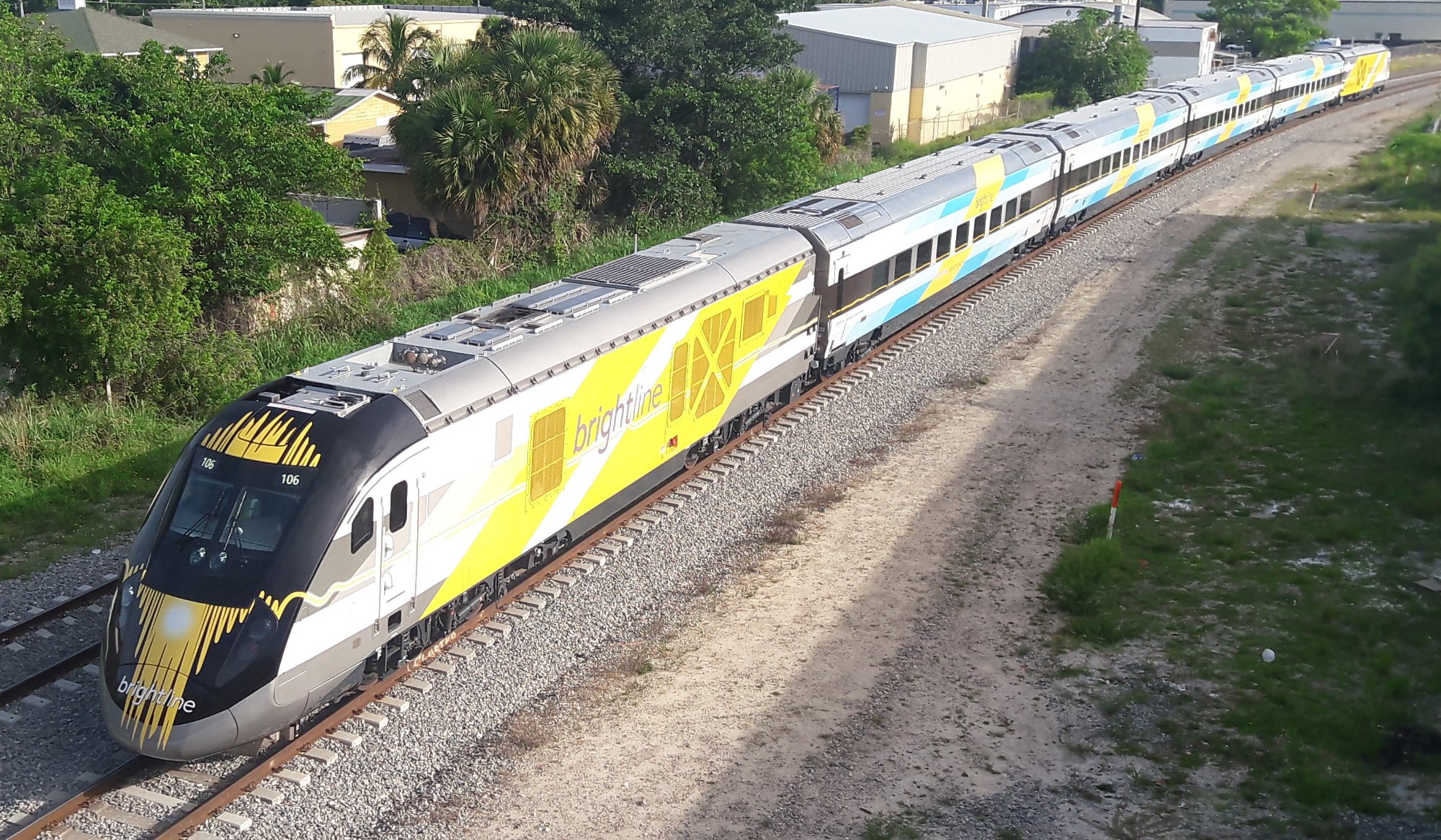
High-speed rail from Orlando to Gainesville in about an hour. No traffic. No toll roads. No white-knuckle merging on I-75. Just 115 miles of track through the heart of Florida.


Take the 6 AM train to Miami. Sleep the whole way. Arrive at 9:30 AM, fully rested.
The proposed extension follows the natural I-75 corridor through flat central Florida terrain. From Gainesville, you'd connect to Orlando, the theme parks, the coast, and all the way down to Miami. Brightline is already expanding to Tampa on I-4. This is the logical next step north.
UF enrolls 56,000 students from across Florida, most traveling to and from Orlando regularly. Add 300,000+ Florida-based alumni, 600,000 annual football fans, and tens of thousands of campus visitors. This corridor has guaranteed, recurring demand from day one.
Marion County's metro area has nearly 400,000 people and is among the fastest-growing in the country. The Villages adds thousands of residents every year. These communities need reliable connections to Orlando's airport, medical centers, and economy.
Every rider on Brightline is one fewer car on I-75. Rail produces 75% less carbon dioxide per passenger mile than driving. As Florida's population grows, building rail now prevents decades of highway expansion, land consumption, and emissions.
Brightline carried 2.8 million riders in 2024 and is actively expanding to Tampa. They've built 235 miles of service in Florida, issued hundreds of millions in bonds, and secured billions in federal support. The playbook exists. Gainesville just needs to be next.
Every signup is a data point that makes this harder to ignore. We share aggregated, anonymized zip code and ridership data with transit planners, elected officials, and Brightline directly.
"We see many other opportunities to expand this around the country. Florida is the start of this business." Brightline CEO, October 2021
Takes 30 seconds. Your zip code is the most important field.
We'll send updates on milestones and ways to help push this forward.
Your email is only used for campaign updates. Zip code data is aggregated and anonymized for advocacy purposes.